While everyone else is still training without a plan, still dreaming about their first finish line — this team is out there making it happen.
By application · $249/month · 3-month minimum
Where are you right now?
You signed up. The date is real. You have no idea whether what you are doing now actually gets you there.
You finished one. You know the second one is not just “more training”. Nobody has told you what it is instead.
Sprint or Olympic. You can do the three parts. You have never put them together with a start line at the end.
No race booked yet. You just want three months of training where nothing gives out.
All four are on the team. The method is the same. Only the number of weeks changes.
You already know what to do. You just keep doing it alone.
You have a plan somewhere. Maybe you built it, maybe you bought it. And every few weeks something happens — a cold, a work trip, a knee that complains — and there is nobody to ask what to do about it.
So you guess. You either push through and pay for it later, or you stop and lose three weeks of fitness deciding how to restart.
That gap, between the plan and real life, is where almost every season dies. It is not a knowledge problem. It is a support problem.
What I stopped doing
How a season gets built here
Set the date.
One race, one date. Everything is built backwards from it. If the date is not realistic, you hear that in week one, not in month three.
Find what holds.
Three tests you run yourself, one per discipline: threshold heart rate, FTP and swim pace. After that, every session has a number instead of a feeling.
Add one thing at a time.
Six blocks, each with one job. Nothing goes on top of something that is not holding yet. That is the only reason the plan survives to race week.
Here is exactly what you get

Every week, on camera. Real weeks, real data, real problems — yours and everyone else’s. You learn as much from their questions as from your own.

Twenty minutes on your season only: what held, what did not, and what the next two weeks look like. No audience, no queue.

This is what makes it a team instead of a course. Someone looks at your week, in front of the others, and tells you what to change.

The room where the team lives: post your week, ask on Tuesday, watch every call recording. You get an answer with a decision in it, not a lecture.

Every race the team is doing, on one calendar. When somebody races, everybody knows.

You pick the race. We build the season backwards from it together, phase by phase, until you own a plan that fits your actual week.

Three tests you run yourself: threshold heart rate, FTP and swim pace.

Taper, fuelling, pacing, transitions, and the checklist I use myself. It unlocks when your race is eight weeks out, because that is when it becomes useful.
What a month actually looks like
Four team calls, two 1:1s, and the room open in between.
Written against your zones, your hours, and whatever happened last week. Team call on the calendar.
Twenty minutes, just your season. Bring one problem. Leave with a decision.
Something went wrong, or something felt great. Your week gets read out loud and next week changes.
Your second 1:1: look at the next block and check the race date is still realistic.
What happens when the plan is built for the athlete
These three trained with me one to one. The Race Team runs exactly the same system in a group — that is the only reason a place on it costs $249 a month instead of one-to-one rates.
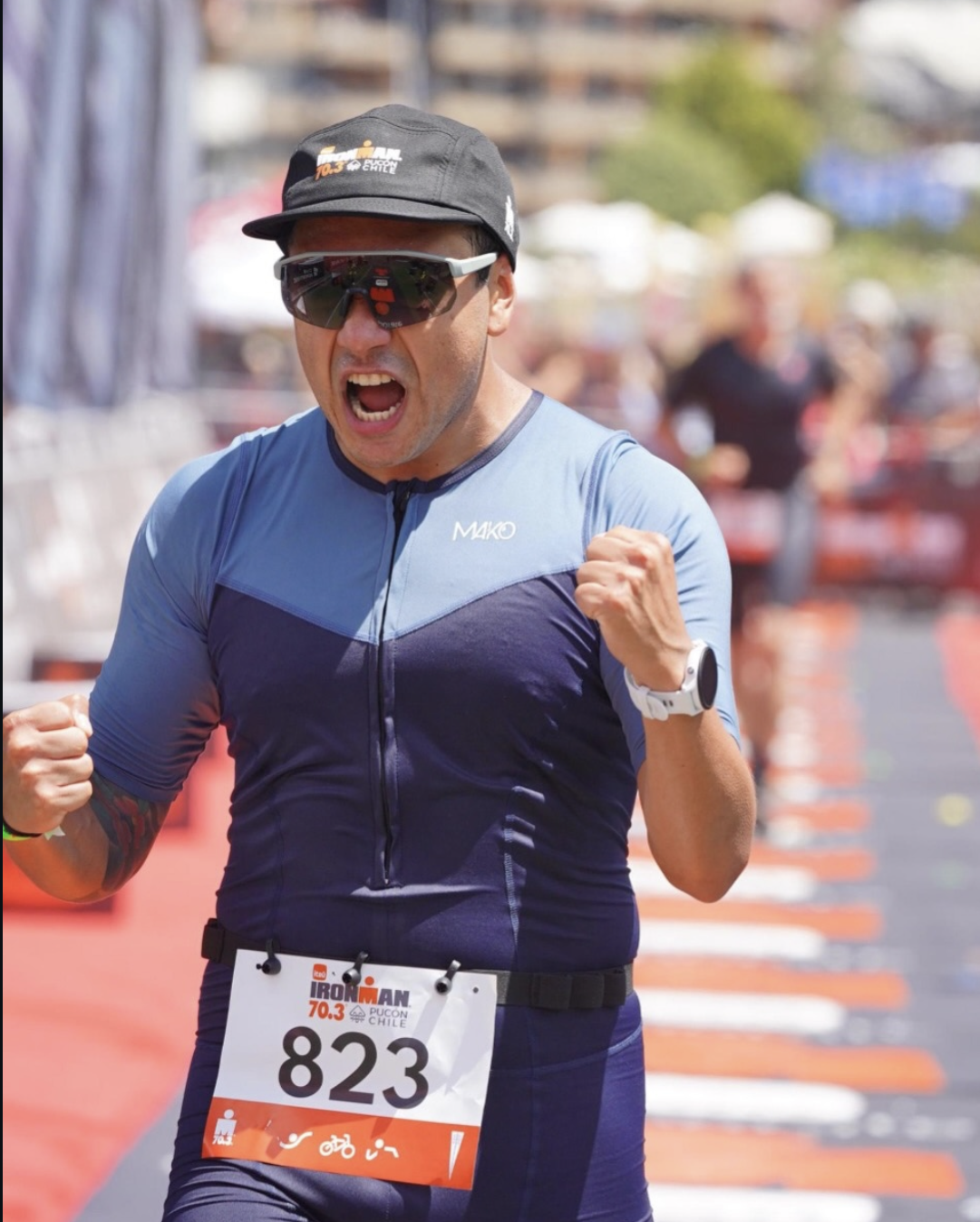
Pucón in January, Puerto Varas in April. The twelve weeks between two races are the ones most athletes waste waiting to feel fresh again. We trained through them on purpose, and he came to the second start line sharper than the first.
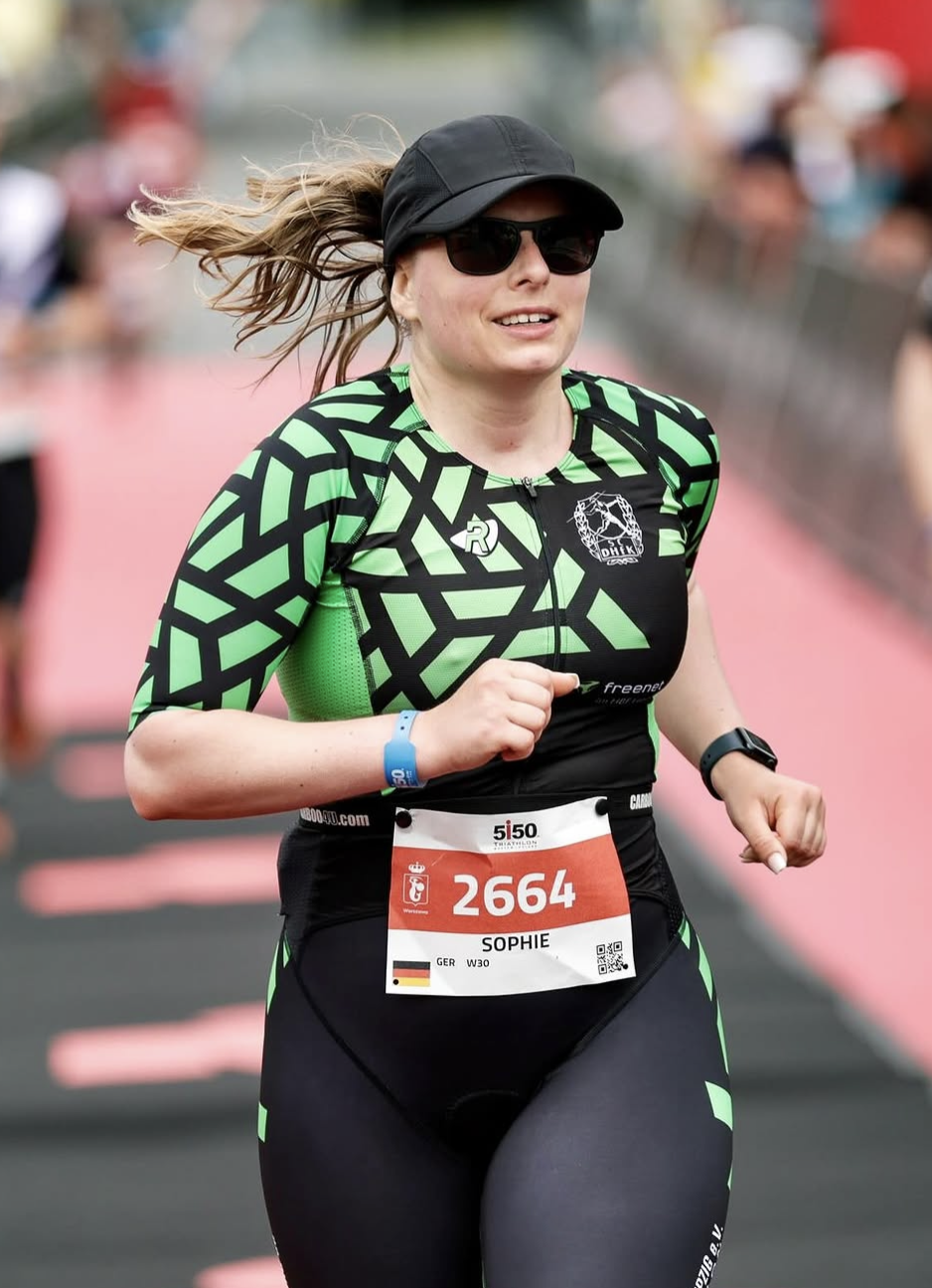
Came in having never swum the distance. Now swims clean front crawl at a heart rate she can hold all day, and ran a trail half marathon as a test of the base.
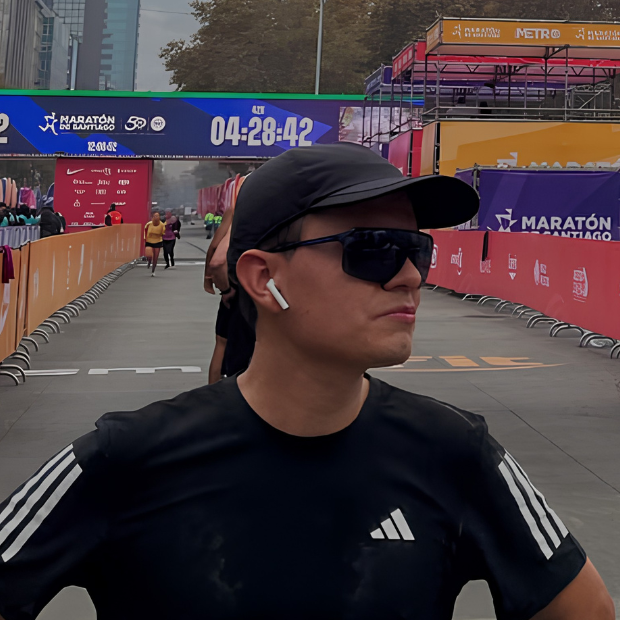
We changed his swim technique and his nutrition before adding a single hour of training. Bike and run times have come down every month since.
Every claim above comes from a signed reference letter. Names used with permission.
Which one is actually for you
You learn to coach yourself. 25 lessons, you build your own plan, on your own time.
See the courseWe build it together: a live team call every week, a 1:1 with me every two weeks, and the room around you.
Apply for a seatIf you want to work through it alone at your own pace, take the Blueprint. This is for the athlete who wants to run their own season and not do it alone.
Join the October Team
Founding price, locked for as long as you stay on the team. In exchange, a testimonial and your numbers at the end of the block.
- ✓The roster
- ✓The team race calendar
- ✓A live team call every week
- ✓A 1:1 with me every two weeks
- ✓Your week read out loud
- ✓The Skool community, weekdays
- ✓Your own season plan
- ✓Your three tests
- ✓The Race Week Vault
Not sure yet? Start with the $49 Blueprint and come back when you want people around you.
Are we a match?
Four steps, about five minutes. Find a quiet spot and answer in one round. I read every application myself within 48 hours — and you only pay once I offer you a seat.
I read it myself and reply within 48 hours — watch your inbox. If we are a match, the seat link comes with that email.
Applications close when the roster is full.
Who this is not for
- You want a plan handed to you with no involvement from you. Buy the Blueprint instead.
- You are not willing to put in the work. I can build the smartest season on the planet, but nobody swims, rides or runs it for you — and without the three tests every number on your plan is a guess.
Questions, answered
I have never done a triathlon. Is that a problem?
No. Half the point is getting you to a first start line. Any distance: sprint, Olympic, 70.3 or full. The planning method is the same, only the number of weeks changes.
How many hours a week do I need?
Six to eight is plenty for a first season at most distances. If you have less, say so in the intake and I will tell you honestly whether the race you want is realistic.
What if I miss a call?
Every team call is recorded and the recording goes in the Skool room the same day. 1:1s get rescheduled. Post your question beforehand and it gets answered on the call whether you are there or not.
Do I need a power meter?
No. A heart rate strap is enough to start. If you have power, we use it.
Can I cancel?
Yes. After the three-month minimum it is month to month, and you cancel with one click, any time. Within the first 14 days you also have the statutory right of withdrawal; if you asked to start straight away, you pay only for the part already delivered.
What happens after the twelve weeks?
You stay on the team month to month at the same price, or you leave and keep everything you have built: the plan, the recordings, your numbers.